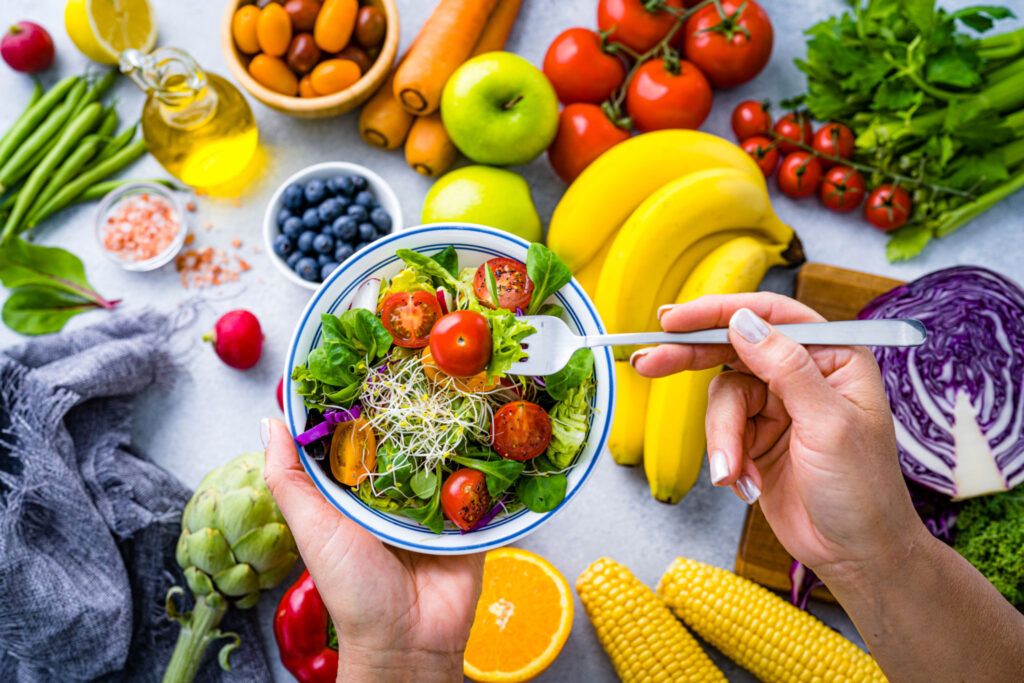
Healthy eating is one of the most important parts of a strong and active family life. Good nutrition supports children’s growth, helps adults maintain energy, and creates better long-term health for everyone in the home. But for many families, busy schedules, picky eating, and convenience foods can make healthy eating feel difficult

The good news is that healthy family meals do not have to be complicated. With a few practical habits, families can make better food choices, enjoy balanced meals, and build routines that support overall wellness.
In this article, we will explore simple and realistic healthy eating tips for families that can help make nutrition easier, more enjoyable, and more sustainable.
Why Healthy Eating Matters for Families
Healthy eating is not only about weight management. It also affects energy, mood, concentration, and long-term well-being. When families eat nutritious meals regularly, they are more likely to feel better, stay active, and reduce the risk of future health problems.
For children, healthy eating habits developed at home can shape their relationship with food for life. For parents, creating a healthy food environment can lead to better routines, fewer unhealthy cravings, and more confidence in meal planning.
That is why focusing on healthy food for families is an investment in both present and future health.

1. Plan Meals Ahead of Time
One of the best ways to improve family nutrition is to plan meals in advance. When meals are decided at the last minute, it becomes easier to rely on fast food, processed snacks, or unhealthy convenience options.
Meal planning helps families:
- Save time during busy weekdays
- Reduce stress around meal decisions
- Shop more efficiently
- Create more balanced meals
- Avoid unnecessary unhealthy choices
Even planning just a few meals each week can make healthy eating more manageable.

2. Include a Variety of Food Groups
Balanced meals are an important part of healthy family eating. Try to include a mix of:
- Fruits and vegetables
- Whole grains
- Lean proteins
- Healthy fats
- Dairy or other calcium-rich foods
A variety of food groups helps provide the nutrients the body needs for growth, energy, and daily function. It also exposes children to different textures and flavors, which can support better eating habits over time

3. Make Fruits and Vegetables Easy to Access
One of the easiest healthy eating tips for families is to make nutritious foods more visible and convenient. When fruits and vegetables are washed, cut, and ready to eat, family members are more likely to choose them.
Simple ideas include:
- Keeping fruit in a bowl on the table
- Packing sliced vegetables in the fridge
- Adding vegetables to sandwiches, pasta, and rice dishes
- Serving fruit as a snack or dessert
Small steps like these can increase the amount of nutrient-rich foods your family eats each day.
4. Eat More Meals at Home
Home-cooked meals often give families better control over ingredients, cooking methods, and portion sizes. Eating at home can also reduce the amount of extra sugar, salt, and unhealthy fats often found in restaurant or takeaway meals..
Family meals at home also create opportunities to:
- Spend time together
- Encourage mindful eating
- Teach children about food choices
- Build better mealtime habits
Healthy eating does not mean every meal has to be perfect. Even simple homemade meals can be a strong step in the right direction.

5. Limit Sugary Drinks
Many families consume more sugar than they realize through soft drinks, packaged juices, and flavored beverages. These drinks can add extra calories without providing much nutrition.
A healthier approach is to encourage:
- Water
- Milk
- Fresh homemade drinks with little or no added sugar
- Natural fruit-infused water
Reducing sugary drinks is one of the most effective ways to support healthy habits for families.
6. Keep Healthy Snacks Available
Snacking can be part of a healthy lifestyle when the options are balanced and nutritious. Instead of relying on chips, candy, or highly processed foods, try keeping better choices available.
Healthy family snack ideas include:
- Fresh fruit
- Yogurt
- Nuts and seeds
- Boiled eggs
- Whole grain crackers
- Cheese
- Vegetable sticks with dip
Having healthy snacks ready can help prevent overeating and make it easier for children and adults to choose nutritious foods between meals.
7. Be a Positive Role Model

Children often learn eating habits by watching adults. If parents and caregivers make healthy food choices, children are more likely to follow the same pattern.
Being a positive role model can mean:
- Eating vegetables with meals
- Drinking water regularly
- Trying new foods
- Avoiding negative talk about food
- Showing balance instead of restriction
Healthy eating becomes more natural when it is practiced by the whole family
8. Avoid Forcing Children to Eat
Encouraging healthy foods is important, but forcing children to eat certain foods can create stress and resistance. It is often more effective to introduce foods repeatedly in a calm and positive way.
Children may need time to get used to new foods. Keep offering healthy options without pressure. Over time, repeated exposure can help them become more open to trying different foods.
This is one of the most practical family nutrition tips for reducing mealtime struggles
9. Watch Portion Sizes
Portion awareness is important for both children and adults. Oversized portions can lead to overeating, even when the food itself is healthy.
Try these simple strategies:
- Use appropriate serving sizes
- Avoid eating straight from large packages
- Serve meals on plates rather than in front of screens
- Encourage eating slowly
- Stop eating when comfortably full
Healthy eating is not about strict control. It is about understanding what the body needs and building balance over time.
10. Make Healthy Eating Realistic

Many families feel pressure to eat perfectly, but perfection is not the goal. A realistic approach is far more sustainable than strict food rules.
Healthy eating can include:
- Simple meals made with everyday ingredients
- Occasional treats in moderation
- Flexible meal planning
- Small improvements over time
The goal is to create habits that fit your family’s lifestyle. Consistency matters more than perfection.
11. Involve Children in Meal Preparation
Getting children involved in meal planning, grocery shopping, or simple kitchen tasks can help them feel more interested in food. They may be more willing to try healthy meals when they have helped prepare them.
You can involve kids by asking them to:
- Choose a fruit or vegetable at the store
- Wash produce
- Help set the table
- Mix ingredients
- Suggest healthy meal ideas
This can make mealtimes more engaging and help build lifelong food awareness
12. Create Regular Meal Times
Having regular meal and snack times can help families build better eating patterns. A routine can reduce mindless snacking, improve appetite control, and make daily life feel more organized.
Consistent meal times also help children know what to expect, which can improve overall eating behavior.
Final Thoughts
Building healthier eating habits at home does not require extreme changes. With a little planning, better food choices, and a balanced mindset, families can create routines that support long-term wellness.
These healthy eating tips for families are meant to be practical, flexible, and easy to apply in everyday life. From planning meals and offering healthy snacks to eating together and modeling good habits, every small step can make a meaningful difference.
Healthy family eating is not about restriction. It is about creating a home environment where nutritious choices are easier, meals are more enjoyable, and wellness becomes part of daily life.