
Starting a healthy diet often sounds harder than it really is. For many people, the word “diet” brings thoughts of strict rules, tiny portions, and giving up favorite foods. That is why so many diets fail—they feel more like punishment than progress.
The truth is, a healthy diet should not make you feel restricted. It should make you feel energized, balanced, and in control of your choices. Instead of focusing on what you cannot eat, the best approach is to build habits that help you enjoy food while also supporting your health.
1. Focus on Adding, Not Just Removing
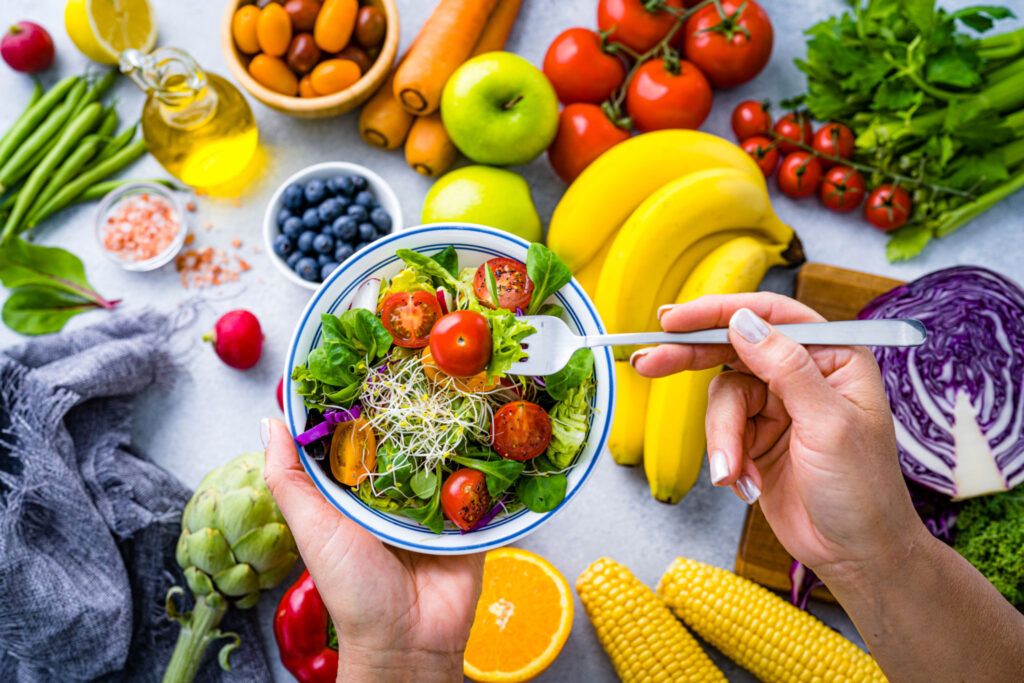
One of the biggest mistakes people make when starting a healthy diet is trying to cut out everything at once. This often leads to frustration and cravings.
Instead of only thinking about what to avoid, focus on what you can add:
- More fruits and vegetables
- More whole grains
- More lean protein
- More water
- More nutrient-rich snacks
When you add healthier options to your meals, there is naturally less room for unhealthy choices, and the transition feels easier.
2. Stop Labeling Foods as “Good” or “Bad”
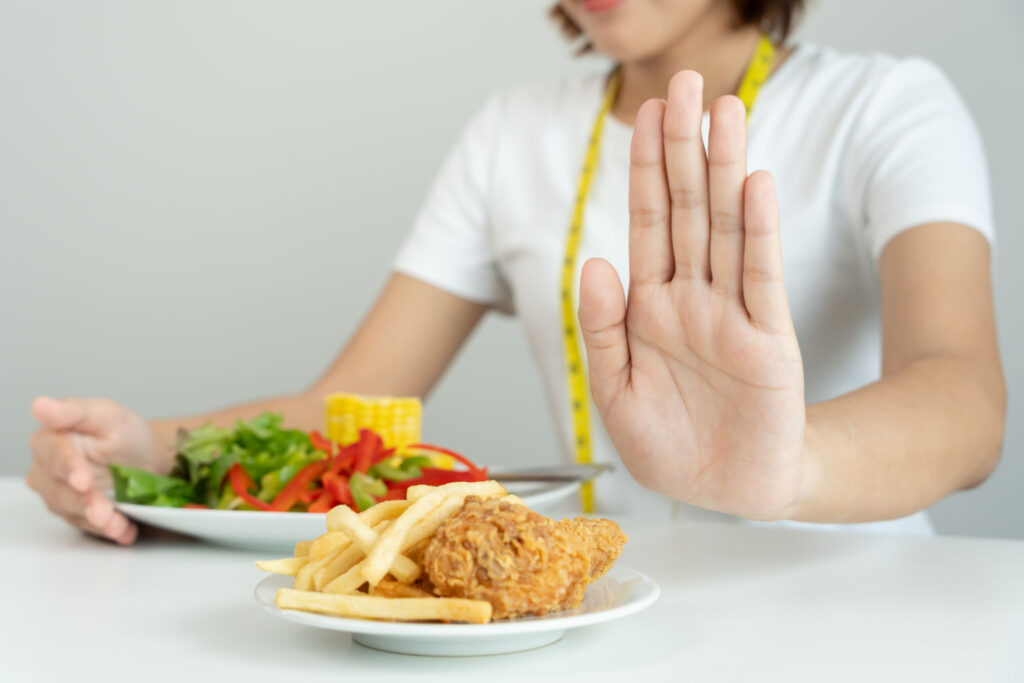
A healthy diet does not mean you have to fear certain foods. Labeling foods as completely “good” or “bad” can create guilt and make eating stressful.
It is better to think in terms of balance. Some foods nourish your body daily, while others are best enjoyed in moderation. That does not mean you can never have dessert, pizza, or your favorite snacks. It simply means those foods should fit into an overall healthy lifestyle, not define it.
3. Make Small Changes First
You do not need to change your entire eating pattern overnight. In fact, small changes are often more effective because they are easier to maintain.
Start with one or two simple habits, such as:
- Replacing sugary drinks with water
- Adding vegetables to lunch and dinner
- Eating breakfast regularly
- Choosing healthier snacks between meals
- Reducing late-night overeating
These small steps build confidence and help create lasting results without making you feel overwhelmed.
4. Eat Foods You Actually Enjoy
A healthy diet should include foods you like. If you force yourself to eat meals that feel boring or unsatisfying, you are less likely to stay consistent.
Look for healthy versions of foods you already enjoy. For example:
- If you like sandwiches, use whole-grain bread and add lean protein
- If you enjoy rice dishes, control portions and pair them with vegetables and protein
- If you love something sweet, choose fruit, yogurt, or enjoy smaller dessert portions
Healthy eating becomes sustainable when it fits your tastes and lifestyle.
5. Do Not Skip Meals
Skipping meals might seem like a quick way to reduce calories, but it often leads to low energy, overeating later, and unhealthy cravings.
Eating regular meals helps keep your body fueled and your hunger under control. A balanced plate with protein, fiber, and healthy fats can keep you full longer and reduce the urge to snack mindlessly.
6. Practice Portion Awareness, Not Extreme Control
You do not need to measure every bite to eat healthier. The goal is not extreme control—it is awareness.
Pay attention to:
- How hungry you are before eating
- Whether you are eating out of boredom or stress
- How full you feel during meals
- Serving sizes of high-calorie foods
Learning portion awareness allows you to enjoy food without overdoing it.
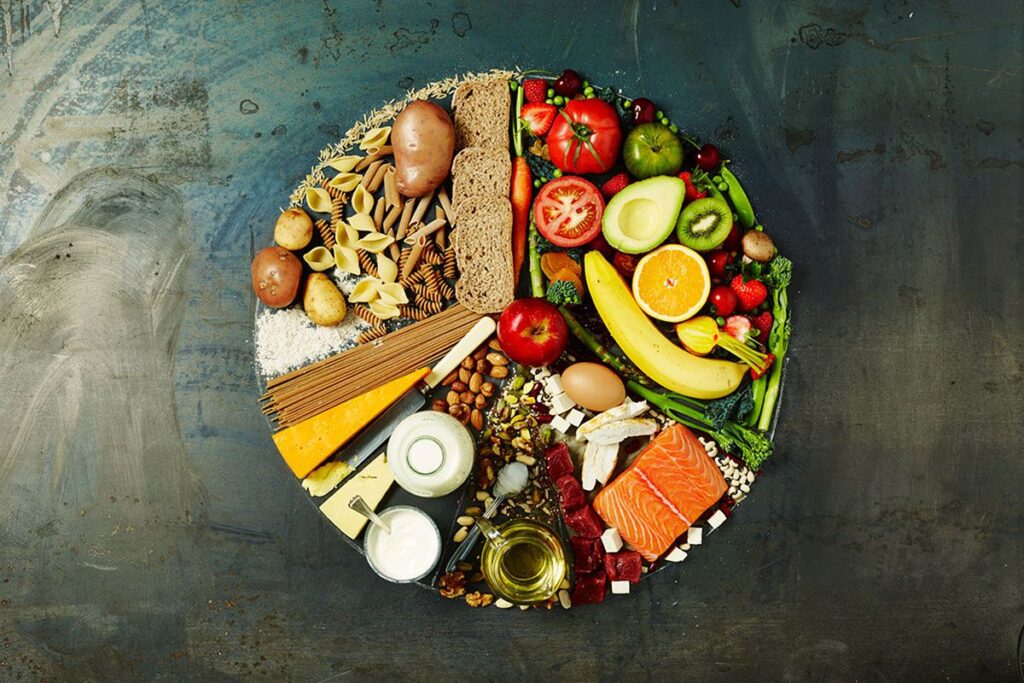
7. Allow Flexibility
A healthy diet is not about being perfect every day. There will be birthdays, dinners out, celebrations, and days when you eat more than planned. That is normal.
The key is flexibility. One meal does not ruin your progress, just like one healthy meal does not transform your health overnight. What matters most is consistency over time.
When you allow room for real life, healthy eating becomes much less stressful and much more realistic.
8. Drink More Water

Sometimes tiredness, cravings, or unnecessary snacking can be linked to dehydration. Drinking enough water throughout the day supports digestion, energy, and overall health.
A simple habit like carrying a water bottle or drinking a glass of water before meals can make a big difference.
9. Pay Attention to How Food Makes You Feel
Healthy eating is not only about weight. It is also about how you feel physically and mentally.
Notice how different foods affect your:
- Energy levels
- Mood
- Digestion
- Focus
- Sleep
When you begin to connect healthy eating with feeling better, it becomes easier to stay motivated.
10. Build a Lifestyle, Not a Short-Term Diet
The most successful approach to healthy eating is one you can maintain for the long term. If a plan feels too strict, too limiting, or too stressful, it probably will not last.
Instead of chasing quick results, focus on building a lifestyle that supports your health every day. Choose habits that are realistic, enjoyable, and sustainable.
Final Thoughts
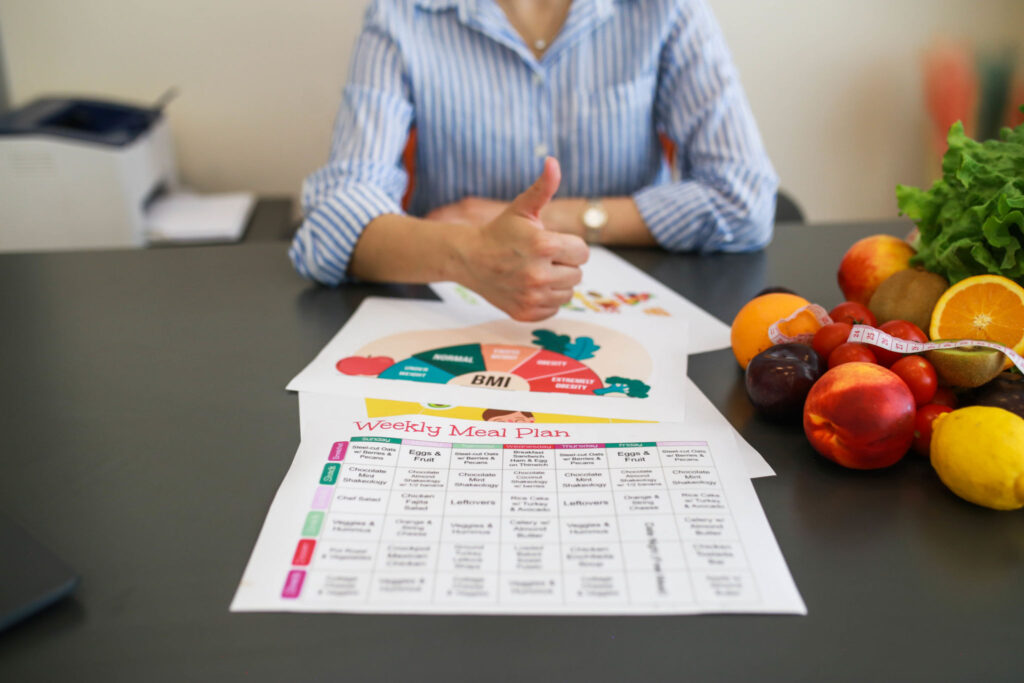
Starting a healthy diet does not mean giving up everything you love. It means making smarter choices, building better habits, and finding balance in the way you eat.
When you stop thinking of healthy eating as restriction and start seeing it as self-care, the process becomes much easier and more rewarding. Small steps, consistency, and flexibility can help you create a healthier lifestyle without feeling deprived.
A healthy diet should work with your life—not against it.

This post really opened my eyes to how subtle muscle imbalances can have a big impact on injury risk. The detailed explanations made it easy to understand why addressing these issues early is important.